The Brain Song Review (2026): Does This 12-Minute Audio Program Really Support Brain Health?
If you’ve been searching for The Brain Song, you’ve probably seen bold claims about how a simple audio track can improve focus, sharpen memory, reduce brain fog, and support long-term cognitive health. With thousands of people discussing it online and numerous advertisements highlighting its neuroscience-inspired technology, it’s natural to wonder whether it’s genuinely effective or simply another digital wellness trend.
To answer that question, I spent time analyzing the available information, reviewing its claims, examining the research behind binaural beats and gamma brainwaves, and comparing the marketing with what current science actually supports.
This review isn’t about promoting unrealistic promises. Instead, it’s an objective look at what The Brain Song offers, where the science is encouraging, and where consumers should maintain realistic expectations before purchasing.
What Is The Brain Song?
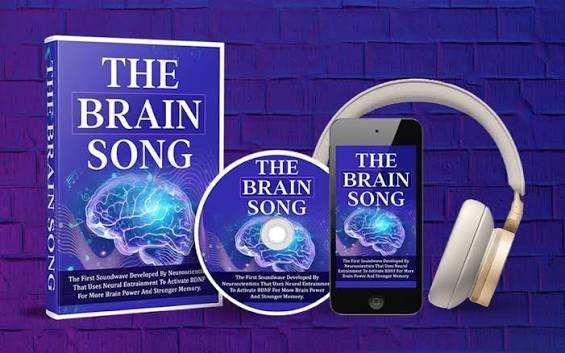
The Brain Song is a digital audio wellness program designed for daily listening. Unlike meditation apps or motivational recordings, it uses specially engineered sound frequencies intended to gently guide the brain toward 40 Hz gamma brainwave activity, a frequency associated with attention, learning, and cognitive processing.
According to the product description, listening for approximately 12 minutes per day may help users:
- Improve concentration
- Reduce mental fatigue
- Support memory
- Increase mental clarity
- Promote relaxation
- Encourage healthy brain function
Unlike supplements or medications, The Brain Song doesn’t require pills or physical equipment. Users simply wear headphones and listen to the audio each day as part of their routine.
How Does The Brain Song Work?
The foundation of The Brain Song is based on brainwave entrainment, a process in which rhythmic audio stimulation encourages the brain to synchronize with specific frequencies.
The program focuses on gamma brainwaves, particularly around 40 Hz, which researchers have studied for their potential role in attention, learning, memory, and information processing.
The concept works like this:
- You listen using stereo headphones.
- Different frequencies are delivered to each ear.
- The brain detects the difference between those frequencies.
- This creates what’s known as a binaural beat.
- The brain may gradually synchronize with that target frequency.
Researchers continue studying whether gamma-frequency stimulation may influence cognitive performance, although commercial audio programs themselves have not been clinically proven to produce specific medical outcomes.
Understanding BDNF and Brain Health
One of the most discussed topics surrounding The Brain Song is Brain-Derived Neurotrophic Factor (BDNF).
BDNF is often described as “fertilizer for the brain” because it helps support:
- Growth of neurons
- Communication between brain cells
- Learning
- Memory formation
- Neuroplasticity
Scientific research clearly shows that healthy BDNF levels play an important role in overall brain function.
However, it’s important to separate established science from marketing.
Current research suggests that gamma brainwave activity may be associated with BDNF-related mechanisms, but there is no clinical evidence proving that listening to The Brain Song directly increases BDNF levels in humans. The available evidence supports the underlying neuroscience, not definitive outcomes for this specific product.
What Does the Research Say?
This is where The Brain Song differs from many competing products.
Rather than claiming guaranteed cognitive transformation, its marketing generally uses cautious language such as:
- “may support”
- “suggests”
- “linked with”
- “helps encourage”
That wording aligns more closely with the current scientific evidence than exaggerated claims commonly seen in the brain wellness market.
Several published studies have explored:
- Gamma brainwave entrainment
- Binaural beats
- Attention improvement
- Cognitive training
- Neuroplasticity
Some studies reported modest improvements in attention, relaxation, and cognitive performance during or shortly after listening sessions.
However, researchers also note several important limitations:
- Results vary between individuals.
- More large-scale human trials are needed.
- No peer-reviewed clinical trial has specifically evaluated The Brain Song product itself.
What Makes The Brain Song Different?
Several features distinguish The Brain Song from many competing brain audio products.
1. Research-Consistent Listening Time
Many audio programs promise dramatic benefits after listening for only seconds.
The Brain Song instead recommends approximately 12 minutes daily, which is much closer to the session lengths used in published brainwave entrainment studies.
2. Digital Delivery
Everything is delivered online.
There are:
- No supplements
- No recurring shipments
- No physical products
- No complicated setup
Users receive instant access after purchase.
3. Simple Daily Routine
Consistency appears to be the intended approach.
Instead of requiring lengthy meditation sessions, users simply dedicate around twelve minutes each day.
My Evaluation
After comparing the available evidence with the marketing claims, my overall impression is balanced.
The Brain Song appears to be built around genuine neuroscience concepts involving:
- Gamma brainwaves
- Brainwave entrainment
- Attention
- Neuroplasticity
Those scientific areas are legitimate subjects of ongoing research.
However, that should not be confused with proof that this particular audio program can dramatically improve memory or permanently enhance intelligence.
Consumers should approach it as a brain wellness tool, not a medical treatment.
Potential Benefits
People who enjoy audio-based wellness programs may appreciate several possible advantages.
Some users report:
- Better concentration while working
- Feeling mentally calmer
- Reduced stress
- Improved focus
- Easier transition into deep work
- Less mental fatigue
Because individual experiences vary significantly, these reports should be viewed as personal experiences rather than guaranteed results.
Who Is The Brain Song For?
The Brain Song may appeal to adults who:
- Work long hours
- Experience occasional brain fog
- Study regularly
- Want additional focus support
- Prefer non-drug wellness approaches
- Enjoy meditation or binaural beats
It is not intended to diagnose, treat, cure, or prevent neurological conditions.
Anyone experiencing significant memory loss or neurological symptoms should consult a qualified healthcare professional.
Pros and Cons
Pros
- Easy 12-minute daily routine
- Instant digital access
- No pills or supplements
- Based on established brainwave research concepts
- Research-consistent listening duration
- 90-day money-back guarantee
Cons
- No published clinical trial on the product itself
- Individual results vary
- Requires headphones
- Scientific references are not provided directly on the sales page
- Not a substitute for healthy lifestyle habits
Pricing and Refund Policy
The Brain Song is sold as a one-time digital purchase.
At the time of writing:
- One-time payment
- Instant online access
- 90-day money-back guarantee
This refund policy gives buyers an opportunity to evaluate the program without long-term financial commitment.
Is The Brain Song Worth Buying?
That depends on your expectations.
If you’re expecting a miracle audio file that instantly transforms memory and intelligence, you’re likely to be disappointed.
However, if you’re looking for a simple daily audio routine inspired by emerging research into gamma brainwaves and cognitive wellness, The Brain Song represents a more measured option than many competing products.
Its marketing generally avoids the extreme promises common within this niche, which increases its overall credibility.
Frequently Asked Questions
Is The Brain Song scientifically proven?
The neuroscience concepts behind gamma brainwaves and binaural beats have been studied, but The Brain Song itself has not been validated through independent clinical trials.
How long should I listen each day?
The program recommends approximately 12 minutes daily using headphones.
Is it a medical treatment?
No. The Brain Song is marketed as a digital wellness audio program and should not replace professional medical care.
Will everyone get the same results?
No. Individual experiences vary depending on numerous factors, including consistency, lifestyle, and personal differences.
Can I use it with other brain health habits?
Yes. Healthy sleep, regular exercise, balanced nutrition, stress management, and lifelong learning remain the strongest evidence-based approaches for supporting long-term brain health.
Final Verdict
Overall, The Brain Song presents itself more responsibly than many products in the growing brain wellness category. Instead of relying solely on sensational promises, it references neuroscience concepts that are actively being explored by researchers, particularly gamma brainwaves and brainwave entrainment.
That said, consumers should keep their expectations realistic. While early research into binaural beats and gamma stimulation is encouraging, there is currently no conclusive evidence showing that this specific audio program can directly increase BDNF or dramatically improve cognitive performance.
If you view The Brain Song as a complementary wellness tool rather than a miracle solution, it may be worth exploring—especially given its simple 12-minute routine and refund policy. Just remember that the strongest long-term support for brain health still comes from proven lifestyle habits such as quality sleep, regular exercise, stress management, good nutrition, and continuous mental engagement.
Bottom line: The Brain Song appears to be one of the more cautiously marketed audio wellness programs in its category. While it shouldn’t be considered a substitute for medical treatment or healthy living, it may serve as a useful addition to an overall brain wellness routine for adults seeking a simple daily mindfulness and focus practice.