Why Am I Not Losing Weight? (And Can Java Burn Actually Help?)
You’ve cut calories. You’ve started walking more. Maybe you’ve even given up your afternoon soda. And the scale still won’t budge.
If that sounds familiar, you’re not imagining it, and you’re not doing everything wrong. Weight loss is one of the most researched — and most misunderstood — topics in health science. It’s also one of the most heavily marketed, which is how products like Java Burn end up in your search results at 11 p.m. when you’re frustrated and looking for answers.
This article covers two things honestly: why weight loss stalls even when you’re “doing everything right,” and what the evidence actually says about Java Burn, a coffee-additive supplement that claims to help. No hype, no guarantees — just what’s known, what’s not, and what’s just marketing.
What Does “Not Losing Weight” Actually Mean?
Before troubleshooting, it helps to define the problem. There are really three different situations people lump together under “I can’t lose weight”:
- True weight-loss resistance — you’re consistently in a calorie deficit, verified over weeks, and the scale still isn’t moving.
- A plateau — you lost weight initially, but progress has stalled for two or more weeks despite no change in habits.
- Perceived stalling — weight fluctuates day to day due to water retention, hormones, or sodium intake, and it feels like nothing is happening even though fat loss is occurring.
Most people searching “why am I not losing weight” are actually dealing with the second or third scenario, not the first. That distinction matters, because the fix is different for each one.
Why This Problem Happens
Weight loss, at its core, comes down to energy balance — calories in versus calories out. But that simple equation is influenced by dozens of variables that most calorie-counting apps don’t account for.
Common reasons weight loss stalls:
- Underestimating calorie intake. Research from the National Institutes of Health has repeatedly found that people underreport what they eat by 20–50%, often without realizing it.
- Metabolic adaptation. As you lose weight, your body burns fewer calories at rest — a well-documented effect sometimes called “adaptive thermogenesis.”
- Poor sleep. Sleep deprivation disrupts ghrelin and leptin, the hormones that regulate hunger and fullness, making overeating more likely.
- Chronic stress. Elevated cortisol is linked to increased abdominal fat storage and cravings for high-calorie foods.
- Underlying health conditions. Hypothyroidism, PCOS, insulin resistance, and certain medications (including some antidepressants and steroids) can all make weight loss harder.
- Muscle loss during dieting. Aggressive calorie restriction without enough protein or resistance training can cause muscle loss, which lowers your metabolic rate over time.
- Unrealistic expectations. A “normal” rate of sustainable fat loss is roughly 0.5–1% of body weight per week. Faster loss is usually water weight or muscle, not fat.
None of these are about willpower. They’re physiological and behavioral factors that any credible weight-loss plan needs to account for — which is exactly why so many people go looking for a shortcut, and why products like Java Burn get so much search traffic.
Key Facts About Weight Loss (At a Glance)
| Factor | What the Evidence Shows |
|---|---|
| Calorie deficit | Still the primary driver of fat loss, according to virtually all major nutrition research bodies |
| Protein intake | Higher protein intake (around 1.2–1.6g per kg of body weight) helps preserve muscle during weight loss |
| Sleep | Less than 6–7 hours per night is consistently associated with harder weight management |
| Exercise alone | Effective for health and maintenance, but modest for weight loss without dietary changes |
| Supplements | Almost none produce clinically meaningful weight loss on their own, per systematic reviews |
| Realistic pace | 0.5–1% of body weight per week is considered sustainable by most obesity medicine guidelines |
So, What Is Java Burn?
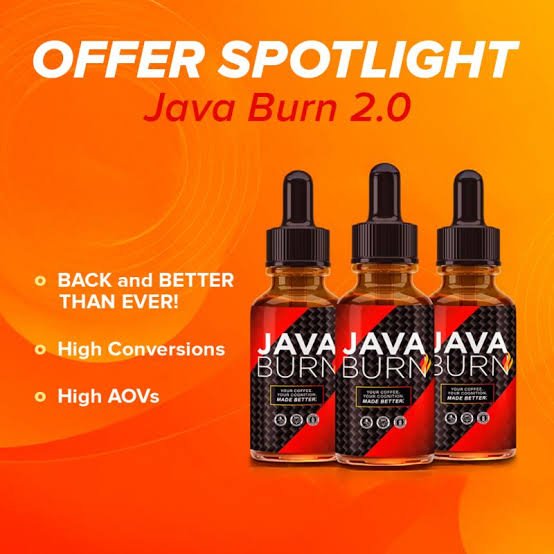
Java Burn is a powdered dietary supplement marketed to be stirred into coffee each morning. It’s promoted as a “metabolism booster” that works with caffeine to support fat burning, marketed under phrases like a “coffee loophole.”
According to the ingredient list disclosed on the product’s sales pages, Java Burn typically includes a blend such as:
- Green tea extract (a source of EGCG, a catechin studied for metabolic effects)
- Green coffee bean extract (a source of chlorogenic acid)
- L-carnitine
- L-theanine
- Chromium
- B vitamins
These are legitimate compounds that do appear in nutrition research. The question isn’t whether these ingredients exist in scientific literature — they do. The question is whether this specific product, at whatever doses it uses, produces the fat-loss results implied in its marketing.
The Evidence: Ingredients vs. the Actual Product
This is the part most review sites gloss over, so it’s worth being precise about.
What’s true: Individually, ingredients like green tea catechins and chlorogenic acid have been studied for their effects on metabolism, and some trials show small increases in calorie burning or modest reductions in body weight over several months — typically a few pounds, not dramatic transformations.
What’s not established: Java Burn’s manufacturer has not published a peer-reviewed clinical trial testing its actual finished formula on human subjects. The product uses a proprietary blend, which means the exact dose of each ingredient isn’t disclosed on the label — a common practice in the supplement industry, but one that makes it impossible to compare the product against the doses used in the studies it references.
In plain terms: the ingredients have some research behind them individually. The product as a whole does not have its own clinical trial. That’s a meaningful gap, and it’s the same gap you’ll find with most “proprietary blend” weight-loss supplements, not just this one.
Regulatory note: Like all dietary supplements sold in the U.S., Java Burn is not FDA-approved. The FDA doesn’t approve supplements before they reach the market the way it does prescription drugs; it can only take action after safety problems are reported. This is standard for the entire supplement category, not a red flag unique to this product — but it’s often misunderstood by shoppers.
Potential Benefits (As Claimed vs. As Supported)
| Claimed Benefit | Scientific Support |
|---|---|
| “Boosts metabolism” | Green tea extract and caffeine combined can modestly increase calorie burn in some studies — effect size is small |
| “Suppresses appetite” | Limited, mixed evidence for the specific ingredients used |
| “Burns fat while you sleep” | No credible evidence for this claim in any supplement category |
| “Works without diet or exercise” | Not supported; virtually all obesity research shows diet and activity remain the primary drivers |
| Convenience (mixes into coffee) | True — this is a genuine usability feature, not a health claim |
Drawbacks and Limitations
- No finished-product clinical trial, as noted above.
- Proprietary blend means you can’t verify you’re getting an effective dose of any single ingredient.
- Cost. Java Burn is priced at a premium compared to buying green tea extract or chromium separately, and ongoing use adds up.
- Caffeine sensitivity. Since it’s combined with coffee, people sensitive to caffeine may experience jitters, increased heart rate, or sleep disruption.
- Not suitable for everyone. Pregnant or breastfeeding individuals, people with heart conditions, and those on certain medications should avoid it or check with a doctor first.
- A crowded, scam-prone market. Because Java Burn is a well-known product name, it’s also frequently imitated — look-alike websites, fake celebrity endorsements, and unauthorized resellers are common in this space. If you decide to try it, ordering only from the official manufacturer’s site reduces (though doesn’t eliminate) that risk.
- Mixed real-world feedback. Some customer reviews describe noticeable energy changes but little to no measurable weight change even after consistent use for several weeks.
Realistic Expectations
If you decide to try Java Burn or any similar product, the honest expectation — based on the underlying ingredient research, not the marketing copy — is:
- A possible small, incremental effect on metabolism or energy, similar to what you’d get from green tea or a moderate caffeine intake.
- No product in this category replaces a calorie deficit. If your eating and activity levels don’t change, meaningful weight loss is unlikely regardless of what you add to your coffee.
- Results, if any, are likely to be modest and gradual — not the “melt fat while you sleep” framing used in aggressive marketing.
- Individual response will vary significantly based on diet, baseline metabolism, activity level, and consistency.
Any supplement — this one included — works best (if at all) as a small addition to a solid foundation of nutrition, sleep, and movement, not as a replacement for it.
Frequently Asked Questions
1. Why am I not losing weight even though I’m eating less? Most likely culprits are underestimated portion sizes, hidden calories in drinks or condiments, insufficient protein, poor sleep, or a genuine metabolic plateau. Tracking food intake precisely for a week (using a kitchen scale, not guesswork) often reveals the gap.
2. How long does a normal weight-loss plateau last? Plateaus commonly last two to four weeks. If weight hasn’t moved after four weeks with no change in habits, it’s worth reassessing calorie intake or consulting a healthcare provider.
3. Does Java Burn actually work? The individual ingredients have some research support for modest metabolic effects, but there’s no published clinical trial on the finished Java Burn formula itself. It’s not proven to cause meaningful weight loss on its own.
4. Is Java Burn safe? It’s made from ingredients generally recognized as safe in typical amounts, but people with caffeine sensitivity, heart conditions, or who are pregnant or breastfeeding should consult a doctor before use, as with any supplement combined with coffee.
5. Is Java Burn FDA-approved? No. Like virtually all dietary supplements sold in the United States, it is not FDA-approved. Manufacturing may take place in an FDA-registered facility, which is a different thing from the product itself being approved.
6. What’s the difference between Java Burn and just drinking green tea or coffee? Green tea and coffee both contain some of the same compounds (catechins and caffeine) found in Java Burn, generally at a fraction of the cost. Java Burn combines several ingredients into one powder for convenience, but convenience isn’t the same as added effectiveness.
7. Can I lose weight without any supplements? Yes. The overwhelming majority of clinical weight-loss research points to sustainable calorie management, adequate protein, resistance training, and sleep as the primary drivers of results — supplements are, at best, a minor addition.
8. How much weight can I realistically expect to lose per week? Most obesity medicine guidelines consider 0.5–1% of body weight per week sustainable. Faster loss is often water weight and harder to maintain long-term.
9. Are there red flags to watch for with weight-loss supplements in general? Yes — be cautious of products claiming rapid results “without diet or exercise,” proprietary blends that hide exact dosages, high-pressure countdown timers on sales pages, and an absence of independent, product-specific research.
10. Should I talk to a doctor before trying a weight-loss supplement? Yes, especially if you take medication, have an existing health condition, are pregnant or breastfeeding, or are sensitive to caffeine. A healthcare provider can also help identify underlying reasons a plateau might be happening.
Final Verdict
If you’re stuck and searching for why the scale won’t move, the most evidence-backed answers are the least exciting ones: check your actual calorie intake, prioritize protein and sleep, manage stress, and be patient with the pace of sustainable fat loss.
Java Burn isn’t a scam in the sense of being a fake or nonexistent product — it’s a real supplement with a disclosed (if proprietary) ingredient list drawn from compounds that do have some research behind them individually. But it also isn’t a proven weight-loss solution. There’s no published clinical trial on the finished formula, the exact doses aren’t disclosed, and the marketing language overstates what the underlying science actually supports.
If you’re curious to try it, treat it the way you’d treat any supplement: as a small, unproven addition to habits that are already working — not a replacement for them. And if weight loss has genuinely stalled despite consistent effort, that’s a conversation worth having with a doctor or registered dietitian, who can look at your specific situation rather than a one-size-fits-all product.
This article is for informational purposes only and is not medical advice. Consult a qualified healthcare professional before starting any new supplement, especially if you have an existing health condition or take medication.